Best places to stay in Kyoto: Ryokans vs Luxury Hotels (2026 Guide)
Best places to stay in Kyoto? Kyoto is unlike anywhere else on earth. Seventeen UNESCO World Heritage Sites. Over 1,600 Buddhist temples and 400 Shinto shrines. Streets where geiko still move quietly between teahouses in the early morning light. Ancient craft traditions—lacquerwork, silk weaving, and ceramics—were kept alive by families who have practiced them for generations.
And then there is the accommodation question that every first-time visitor faces: a ryokan or a luxury hotel?
It’s not a trivial choice. A ryokan—a traditional Japanese inn—is an experience in itself, inseparable from the culture and philosophy of the city. But not every traveler wants to sleep on a futon and navigate multi-course kaiseki dinners in yukata robes. Modern luxury hotels in Kyoto offer world-class comfort, exceptional service, and a base that lets you explore the city on your own terms.
This guide breaks down both options honestly, with specific recommendations for every type of luxury traveler.
You may also love to read:
Cheap Hotels in Tokyo That Don’t Feel Cheap: 9 Budget Stays Under $80
eSIM for Japan Travel: 7 Powerful Reasons Why It’s the Smartest Choice + Setup Guide [2026]
Best Time to Book International Flights from USA (2026 Guide to Save Money)
Cherry Blossoms on a Budget: How to Find Cheap Flights from New York to Tokyo 2026
Understanding the Difference: Ryokan vs Luxury Hotel
Before diving into recommendations, it helps to understand what you’re actually choosing between.
What Is a Ryokan?
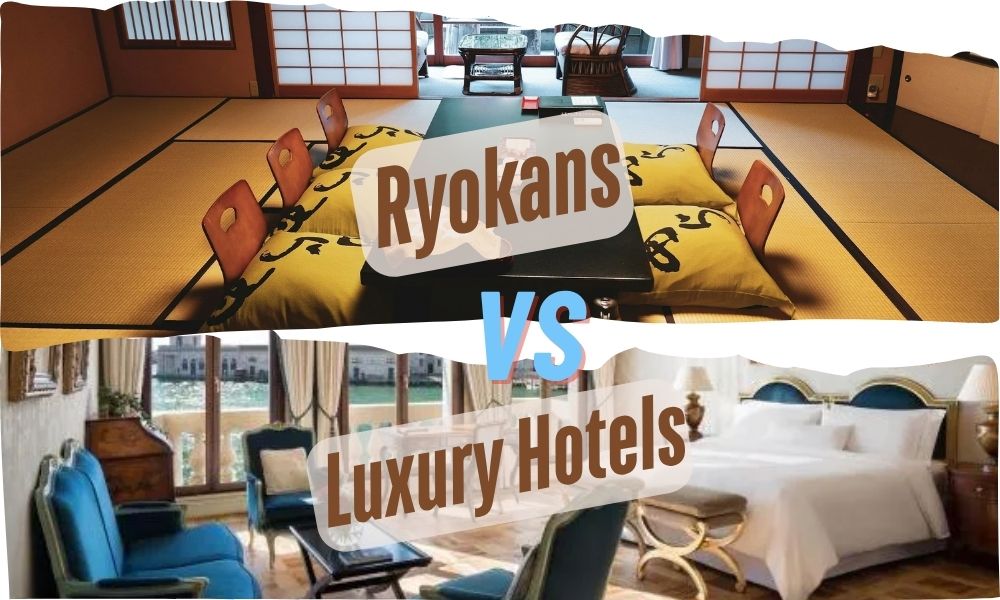
A ryokan is a traditional Japanese inn, typically characterized by tatami-mat floors, futon bedding (laid out by staff each evening), communal or private onsen (hot spring baths), and kaiseki—a multi-course dinner of seasonal Japanese cuisine served in your room or a private dining space.
Staying in a ryokan is not simply accommodation. It is a structured cultural experience with its own rhythms and rituals. You arrive, change into a yukata (cotton robe), bathe in the onsen, eat an elaborate dinner, sleep on the futon, wake to a traditional Japanese breakfast, and leave having understood something about Japanese hospitality—omotenashi—that no amount of reading can teach.
The finest ryokans in Japan are considered among the world’s greatest hospitality experiences, full stop.
What Is a Kyoto Luxury Hotel?
Kyoto’s high-end hotel scene has grown significantly in recent years, with properties from Four Seasons, Ritz-Carlton, Roku Kyoto, and Ace Hotel now joining longtime stalwarts like the Hyatt Regency. These hotels offer the familiar comforts of Western luxury—king beds, modern bathrooms, fitness centers, and multiple restaurants—while often incorporating Japanese architectural and design sensibilities.
The advantage is flexibility: no set dinner times, no dress codes, no communal bathing. The trade-off is that you miss the specific experience of ryokan culture—something genuinely unlike anything available elsewhere.
Best places to stay in Kyoto
1. Tawaraya — The World’s Greatest Ryokan
If there is a single accommodation in Japan that merits a flight from anywhere in the world, it is Tawaraya. Operating continuously since the early 18th century in the Nakagyo District, this 18-room inn is quietly considered the finest ryokan on earth—and one of the finest hotels of any kind.
Tawaraya does not market itself. It does not need to. Guests have included Steve Jobs, the Rockefellers, and every Japanese prime minister for the better part of a century. The garden-facing rooms, the extraordinary kaiseki cuisine, and the level of personal attention—where staff remembers your preferences from years-previous visits—represent omotenashi at its absolute apex.
Rates start around $1,500–$2,500 per person per night, including two meals. Reservations require significant planning and, for first-time guests, often a referral or assistance from the hotel concierge.
Check availability at Tawaraya—Expedia.com.
2. Hiiragiya Ryokan — Historic Elegance in Central Kyoto
Hiiragiya has been operating in Kyoto’s Nakagyo ward since 1818, making it one of the oldest continually operating ryokans in Japan. The main building retains its original Edo-period architecture—cedar-paneled corridors, sliding shoji screens, and rock gardens visible from every room—while the annex offers a slightly more contemporary take on traditional aesthetics.
The kaiseki here is exceptional, and the central location means you’re within walking distance of Nishiki Market, the Gion district, and the Kamo River. A rare combination of cultural immersion and urban accessibility.
Check availability at Hiiragiya Ryokan — Expedia.com
3. Hoshinoya Kyoto — The Ryokan You Reach by Boat
Hoshinoya Kyoto sits on the Oi River in Arashiyama and is accessible only by boat—a 10-minute journey upriver that immediately signals you are entering a different world. The property is built into the steep forested hillside, with 25 rooms overlooking the river and the mountains beyond.
This is a modern ryokan—designed with contemporary precision while honoring traditional forms. The onsen uses naturally flowing spring water, the cuisine is creative kaiseki that incorporates French technique, and the boat arrival is genuinely one of the most atmospheric hotel check-in experiences anywhere.
Check availability at Hoshinoya Kyoto — Trip.com
4. Beniya Mukayu (Day Trip from Kyoto)
Technically in Kaga (Ishikawa Prefecture), Beniya Mukayu is worth mentioning for travelers extending their Japan trip. Consistently ranked among the finest ryokans in Japan, it offers private onsen in every suite and a kaiseki menu that changes daily with the season. For serious ryokan enthusiasts, it is worth the journey.
The Best Luxury Hotels in Kyoto
1. Four Seasons Hotel Kyoto — Best Overall Luxury Hotel
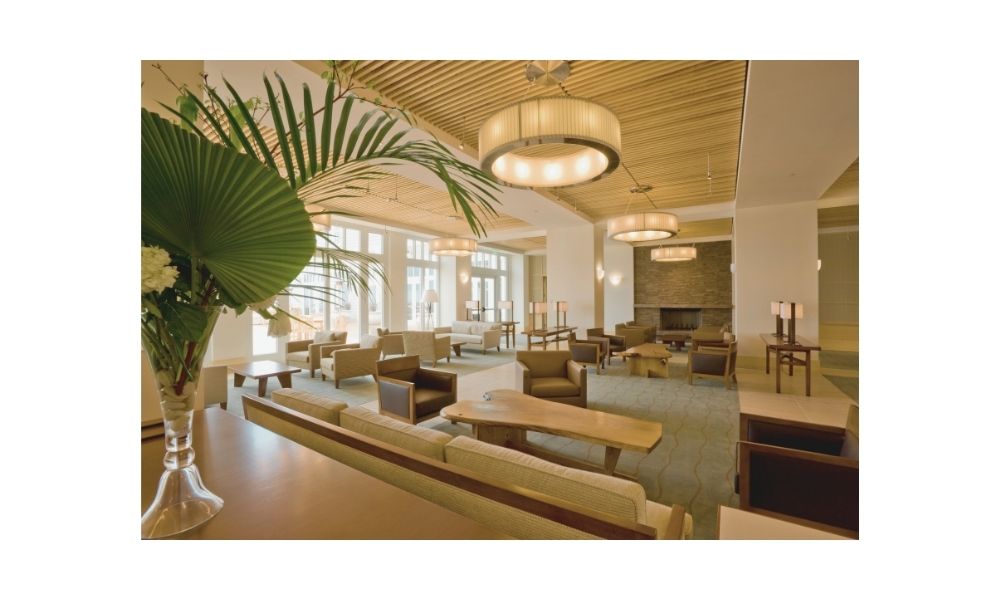
The Four Seasons Kyoto opened in 2016 on a site adjacent to the Ikeniwa Pond Garden — a 800-year-old historic garden that anchors the entire property. The hotel incorporates the garden into its design beautifully, with rooms and public spaces oriented around the ancient landscaping.
The Brasserie is one of the city’s best hotel restaurants, the spa is exceptional, and the location in Higashiyama puts you within walking distance of Kiyomizudera Temple, Sanjusangendo, and the Nineizaka stone-paved lanes. This is the hotel for a traveler who wants reliable four-seasons-standard luxury with genuine cultural context.
Check availability at Four Seasons Kyoto — Trip.com
2. The Ritz-Carlton Kyoto — Best for Riverside Position
The Ritz-Carlton sits on the western bank of the Kamo River in central Kyoto, with some rooms offering direct views over the water toward the Higashiyama mountains. The design draws heavily on traditional Kyoto aesthetics — hand-crafted lacquerwork, washi paper screens, local cedar — while delivering the full Ritz-Carlton service standard.
The Mizuki restaurant on the top floor serves refined kaiseki cuisine with panoramic city views, and the spa offers both Western treatments and traditional Japanese therapies. The location is arguably the most convenient of any luxury hotel in the city.
Check availability at The Ritz-Carlton Kyoto—Trip.com.
3. Roku Kyoto — Best Design Hotel
A newer addition to Kyoto’s luxury landscape, Roku Kyoto (LXR Hotels & Resorts) sits at the foot of the Takagamine mountains in the north of the city. The design is striking — a low-lying, forest-integrated property where every room faces either the gardens or the mountains, with large picture windows and natural materials throughout.
The rooftop infinity pool with mountain views is one of the best hotel amenities in Kyoto. The location is quieter and more removed from the city’s busiest tourist areas, making it ideal for travelers who want tranquility over convenience.
Check availability at Roku Kyoto — Trip.com
4. Ace Hotel Kyoto — Best for Design-Conscious Travelers
Ace Hotel’s Kyoto outpost, designed by Kengo Kuma, is the most architecturally distinctive hotel in the city — a converted early 20th-century telephone exchange fused with Kuma’s signature wood-and-stone contemporary Japanese aesthetic. The rooms are smaller than the other properties on this list, but the design, the restaurant, and the atmosphere attract a creative, culturally curious crowd.
A better choice for solo travelers or design-focused couples than for pure luxury immersion.
Check availability at Ace Hotel Kyoto — Trip.com
Which Kyoto Neighborhood Should You Stay In?
Location matters enormously in Kyoto. Here is a quick read on the main areas:
Higashiyama
The eastern hills district is the heart of traditional Kyoto—stone-paved lanes, wooden machiya townhouses, lantern-lit shrines, and easy walking access to Kiyomizudera, Gion, and the Philosopher’s Path. The Four Seasons is here. Staying in Higashiyama means waking up to the Kyoto most people come to see.
Nakagyo (Central Kyoto)
The central ward is where Tawaraya and Hiiragiya are located. Walkable to Nishiki Market, the covered Teramachi shopping arcade, and the Kamo River. The most convenient base for exploring the city without relying on taxis or the subway.
Arashiyama
The western district is famous for its bamboo grove, monkey park, and the Togetsukyo Bridge over the Oi River. Hoshinoya Kyoto is here. Staying in Arashiyama gives you the best of Kyoto’s natural scenery but requires more travel time to reach central temples and Gion.
Fushimi
Further south, near the iconic Fushimi Inari shrine with its thousands of vermilion torii gates. Quieter and less central—only recommended for extended stays where you want to explore beyond the core.
Experiences Worth Booking in Advance
Kyoto’s finest experiences sell out weeks or months ahead. Book these before you land:
- Private geisha dinner (ozashiki) — an exclusive tatami dinner with a geiko and maiko. Rare, expensive, and extraordinary.
- Private tea ceremony in a historic machiya — not the tourist version, a genuine ura senke or omotesenke school experience. [
- Arashiyama bamboo grove at dawn — hire a private guide for a 6am visit before the crowds arrive.
- Nishiki Market food tour — Kyoto’s “Kitchen” is best explored with a guide who knows which stalls are worth stopping at.
- Kodo incense ceremony — one of Japan’s classical arts alongside tea and flower arranging. Almost entirely overlooked by tourists.
When to Visit Kyoto
Kyoto has four dramatically distinct seasons, each with its own draw:
Spring (late March – early May): Cherry blossom season is Kyoto at its most transcendent — and most crowded. The week of peak bloom sees the city at near-maximum capacity. Book accommodation 6–12 months ahead if traveling in cherry blossom season.
Summer (June – August): Hot, humid, and lush. The Gion Matsuri festival in July is one of Japan’s great cultural events. Evenings cool pleasantly, and summer illuminations at the major temples are beautiful.
Autumn (October – November): Arguably the finest time to visit. The maple and ginkgo foliage turns the temple gardens into works of art. Slightly less crowded than spring, with ideal temperatures in the low-to-mid 60s°F.
Winter (December – February): Cold but serene. Snow on temple rooftops is one of Kyoto’s most beautiful sights, and accommodation rates drop significantly. A surprisingly underrated time to visit.
Ryokan or Hotel: The Final Answer
The honest recommendation for first-time luxury visitors to Kyoto: do both.
Spend two to three nights in a ryokan—ideally Hoshinoya or Hiiragiya for a first visit, with Tawaraya as an aspiration—and two to three nights in a luxury hotel like the Four Seasons or Ritz-Carlton. The contrast deepens both experiences and gives you genuine insight into the range of Japanese hospitality.
If you can only choose one, choose the ryokan. Luxury hotels exist in every major city in the world. A great ryokan exists only in Japan—and in Kyoto more than anywhere.
📌 Pinterest Description: “Kyoto in 2026: ryokan or luxury hotel — which should YOU choose? We break down the best places to stay in Kyoto, from 300-year-old inns to 5-star contemporary hotels, with honest reviews & booking tips. Save this for your Japan trip! 🇯🇵🍵 #Kyoto #JapanTravel #Ryokan #LuxuryTravel #JapanItinerary #TravelGoals”
📣 WordPress Publishing Checklist: